
Triple Crown Star Junior Alvarado Set To Ride Crupper In High-Stakes Preakness Clash
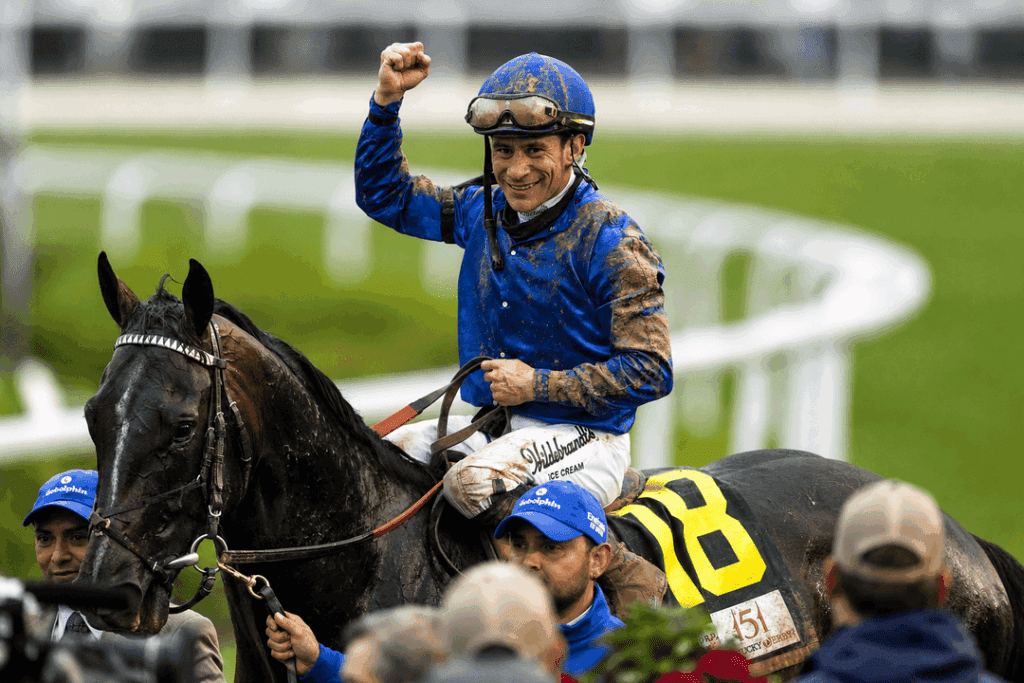
The Junior Alvarado Crupper Preakness pairing matters because it gives a dangerous outsider something every high-stakes race demands: proven hands at the exact moment pressure rises. Crupper is not entering the 2026 Preakness as a casual longshot with a nice story; he is arriving with a ticket earned on the track, a rider with major-race authority, and a pace profile that could disrupt the entire Laurel Park race shape. In a year already reshaped by Golden Tempo’s absence, that combination deserves serious attention.
Why The Junior Alvarado Crupper Preakness Pairing Matters
Crupper’s Preakness case begins with one practical fact: he earned his way into the race. The homebred colt won the Bathhouse Row Stakes at Oaklawn Park on April 18, a victory that gave him an automatic berth in the May 16 Preakness at Laurel Park. That matters because he is not being pushed into the race on hype alone. He has recent momentum, a clear path, and a rider who already knows what the horse can do.
Junior Alvarado’s role changes the conversation. A young horse entering a Grade 1 race needs more than ambition. He needs a jockey who can manage the opening stages, protect position, and decide whether to attack or wait. Alvarado brings that kind of judgment. His presence does not guarantee Crupper will win, but it makes the colt harder to dismiss.
The early Junior Alvarado Crupper Preakness storyline is compelling because it joins three useful elements: a horse coming off a confidence-building win, a trainer willing to test a major stage, and a rider with the composure needed when a race tightens. That is often how legitimate upset threats are built. Not through noise, but through structure.
This is why Crupper belongs in the serious Preakness discussion. The race may not have the Derby winner, but it still has tactical pressure, fresh challengers, and enough uncertainty to reward the horse whose connections read the moment best.
Crupper Earned His Place The Right Way
Crupper’s Bathhouse Row victory is the foundation of his case. He did not merely inherit a Preakness opportunity. He took it. That distinction is important because the middle jewel often attracts horses whose connections are searching for a softer version of the Derby. Crupper arrives with a more direct argument: he won the race that placed him into the conversation.
The Bathhouse Row also revealed something useful about his style. Crupper was prominent early and proved he could carry that position through the finish. That kind of speed matters at Laurel Park, especially in a Preakness without Golden Tempo’s late-running presence. If the race lacks a dominant closer, pace horses and tactical runners can become more dangerous.
A horse does not need to be the fastest in the field to influence the race. He needs to be fast enough to force decisions. Crupper can do that. If he breaks cleanly and Alvarado places him forward, the rest of the field may have to react earlier than planned. That creates pressure before the race even reaches the far turn.
The challenge is obvious. The Preakness is not the Bathhouse Row. The class level rises, the scrutiny intensifies, and the margin for error shrinks. Crupper will need to prove that his Oaklawn performance was not simply a good day in the right spot. He must show that his quality travels to a Grade 1 stage.
That is the heart of the opportunity. Crupper has already done enough to earn attention. Now he has to show whether he can transform attention into impact.
Alvarado Brings More Than A Name
The phrase “top jockey” can become lazy if it is used without explaining why the rider matters. In this case, Alvarado matters because Crupper’s best chance may depend on early decisions. The Preakness can punish hesitation. It can also punish overconfidence. A rider has to understand which risk is greater in the moment.
Alvarado has enough big-race experience to avoid treating the first quarter-mile as a panic zone. That is crucial with a horse like Crupper. If the colt wants to be forward, the ride must be assertive without becoming reckless. If another horse insists on the lead, Alvarado must decide whether to press, sit, or save energy. Those choices require discipline.
The best jockeys do not merely ride fast horses. They ride situations. They feel when a horse is traveling comfortably, when a leader is vulnerable, when a rival is being forced, and when a move will cost too much. That is timing, not instinct alone.
Crupper benefits because Alvarado has already been aboard for the key qualifying win. Familiarity matters. A rider who knows how a horse responds under pressure can make cleaner decisions when the race turns urgent. That familiarity can become a practical edge in a crowded field.
Still, no jockey can manufacture class that is not there. Alvarado’s presence raises Crupper’s ceiling only if the horse brings enough talent and stamina to compete. The ride can sharpen the plan. The horse must still deliver the performance.
How Golden Tempo’s Absence Opens The Race
Golden Tempo’s decision to skip the 2026 Preakness changed everything. The Kentucky Derby winner would have given the race a clear center, a closing threat, and a Triple Crown narrative. Without him, Laurel Park becomes a more open battlefield. That is exactly the kind of setting where Crupper’s profile becomes more interesting.
A Preakness without the Derby winner often becomes less predictable. The public loses the obvious anchor. Bettors search for pace, freshness, trainer intent, and rider strength. Horses who might have looked like supporting characters suddenly become central. Crupper is one of those horses.
The broader race conversation has already shifted toward upset possibilities, and Crupper fits naturally into Golden Tempo’s Preakness upset context. Once the Derby winner stepped aside, the Preakness no longer looked like a test of one champion. It became a test of which remaining contender could seize control.
That shift helps a horse with tactical speed. If Golden Tempo had run, many riders would have been thinking about when the Derby winner might start rolling late. Without him, the race can be shaped by horses closer to the front. Crupper may not need the race to collapse. He may need it to stay organized.
That is a very different equation. It puts more importance on early placement, rhythm, and efficient energy use. Those are the exact areas where an experienced rider can turn a live contender into a real threat.
Laurel Park Adds A Different Kind Of Test
The 2026 Preakness at Laurel Park is not a normal Preakness environment. Pimlico’s redevelopment has moved the race into a temporary setting, and that change deserves more than a passing mention. Venue changes matter because racetracks are not interchangeable.
Laurel Park brings its own surface behavior, turns, barn routines, local rhythm, and race-day flow. Horses must adapt. Trainers must plan. Jockeys must understand how the track is playing as the card develops. The official Preakness Stakes at Laurel Park frame keeps the race’s identity intact, but the tactical details are different.
That difference could help Crupper if he settles quickly into the environment. He does not need the track to be unusual. He simply needs to handle it better than some rivals. Adaptation is often quiet until the gate opens. Then it becomes visible in the way a horse breaks, travels, and responds.
Laurel Park also sharpens the value of pace. If the track favors forward placement on race day, Crupper’s case improves. If closers are making strong late moves, his task becomes harder. That is why the undercard will matter. Serious handicappers will watch how dirt races unfold before the Preakness. Track bias may not decide the result, but it can alter strategy.
Crupper’s connections must avoid assuming that his Oaklawn style automatically translates. The better approach is flexible: use his strengths, respect the track, and let Alvarado read the early flow. That kind of adaptation is often the difference between a useful trip and a winning one.
The Main Questions Around Crupper
Crupper’s Preakness case is legitimate, but it is not simple. A horse moving from a qualifying stakes win into a Grade 1 Classic must answer several questions at once. The most important one is class. Can he handle the jump against deeper competition?
That is the first risk. A horse can look sharp against one group and ordinary against stronger rivals. The Preakness field may be open, but open does not mean weak. Several contenders bring graded-stakes experience, higher-profile barns, or more established form. Crupper must prove he belongs at that level.
The second question is stamina. The Preakness distance of 1 3/16 miles asks more than early speed. It asks a horse to carry that speed through the most demanding part of the race. Crupper’s front-end style can be an advantage only if he has enough resilience late.
The third question is race pressure. It is one thing to lead or sit forward comfortably. It is another to do it when multiple rivals are taking aim, the crowd is louder, and the race is worth much more. Some horses grow under that weight. Others lose their rhythm. Crupper’s response will reveal his true temperament.
The fourth question is trip. If he breaks well and finds a comfortable forward position, he becomes dangerous. If he is forced into a duel, steadied early, or caught wide while others save ground, the task becomes much harder. Preakness outcomes often turn on those small moments of execution.
That is why the Alvarado factor matters so much. The rider cannot answer every question for the horse, but he can reduce the chances that the trip becomes the reason Crupper fails.
Crupper’s Preakness Profile At A Glance
A clear snapshot helps separate the excitement from the handicapping reality. Crupper has reasons to be respected, but he also has questions to answer.
| Category | Crupper’s Preakness Profile |
|---|---|
| Horse | Crupper |
| Rider | Junior Alvarado |
| Trainer | Donnie K. Von Hemel |
| Owner/Breeder | Robert Zoellner |
| Preakness Path | Won the Bathhouse Row Stakes at Oaklawn Park |
| Running Style | Forward or pace-influencing |
| Main Strength | Tactical position and recent confidence |
| Main Concern | Grade 1 class jump and stamina under pressure |
| Race Setting | 151st Preakness Stakes at Laurel Park |
| Upset Path | Break cleanly, secure rhythm, avoid a speed duel, finish strongly |
The table shows why Crupper is not merely a sentimental entry. He has a realistic path, especially if the race shape allows him to use tactical position. The concern is whether that path remains available when stronger rivals apply pressure.
The Pace Scenario Could Decide Everything
The Preakness often comes down to pace more than reputation. A horse with the best headline can lose if the race shape works against him. A less celebrated horse can win if the tempo supports his strengths. Crupper’s chances depend heavily on this balance.
If the early pace is moderate, Crupper becomes more dangerous. He could sit forward, conserve energy, and force others to catch him. That would allow Alvarado to ride with confidence rather than desperation. A controlled trip is the ideal version of Crupper’s upset plan.
If the early pace becomes too hot, the picture changes. A speed duel would hurt him. A contested lead could soften him before the stretch. In that case, late-running or stalking horses may benefit. Alvarado’s job is to prevent Crupper from becoming someone else’s setup.
The most interesting possibility is a middle scenario. Crupper may not need the lead, but he likely needs to be close. If he can sit just off the pace while another horse does the hardest work, he could inherit the right trip. That is where race-riding becomes leverage.
This is also where the absence of Golden Tempo matters again. Without the Derby winner’s late run looming, some riders may become more aggressive early. That can create openings, but it can also create chaos. Crupper needs the race to be active, not reckless.
The first half-mile may tell us more than the final odds board. If Crupper is traveling comfortably and Alvarado looks relaxed, the upset case will be alive.
What A Crupper Win Would Mean
A Crupper victory would be a major Preakness story. It would elevate a homebred stakes winner into the center of the 3-year-old division conversation. It would validate Donnie K. Von Hemel’s placement and Robert Zoellner’s program. It would also give Alvarado another major-race moment in a season already shaped by unusual Triple Crown movement.
The win would also reinforce a broader lesson: the Preakness can reward horses who peak at the right time, not only horses who dominate the Derby narrative. That is one reason the race remains valuable. It does not simply confirm what happened at Churchill Downs. It challenges the division to reorganize itself.
For Crupper, winning would transform his identity. He would move from Bathhouse Row winner and possible upset threat to Classic winner. That shift changes future race placement, breeding conversation, and public perception. In racing, one Grade 1 win can alter value dramatically.
For Alvarado, a victory would strengthen his reputation as a rider who can capitalize when a major opportunity appears. Jockeys live in narrow windows. They must be ready when the right horse, race, and moment align. A Preakness win on Crupper would become another mark of credibility.
For the Preakness itself, a Crupper win would fit the year’s strange shape. Golden Tempo out. Laurel Park in. A new contender rising. The story would not be the Triple Crown. It would be change.
What A Loss Would Still Reveal
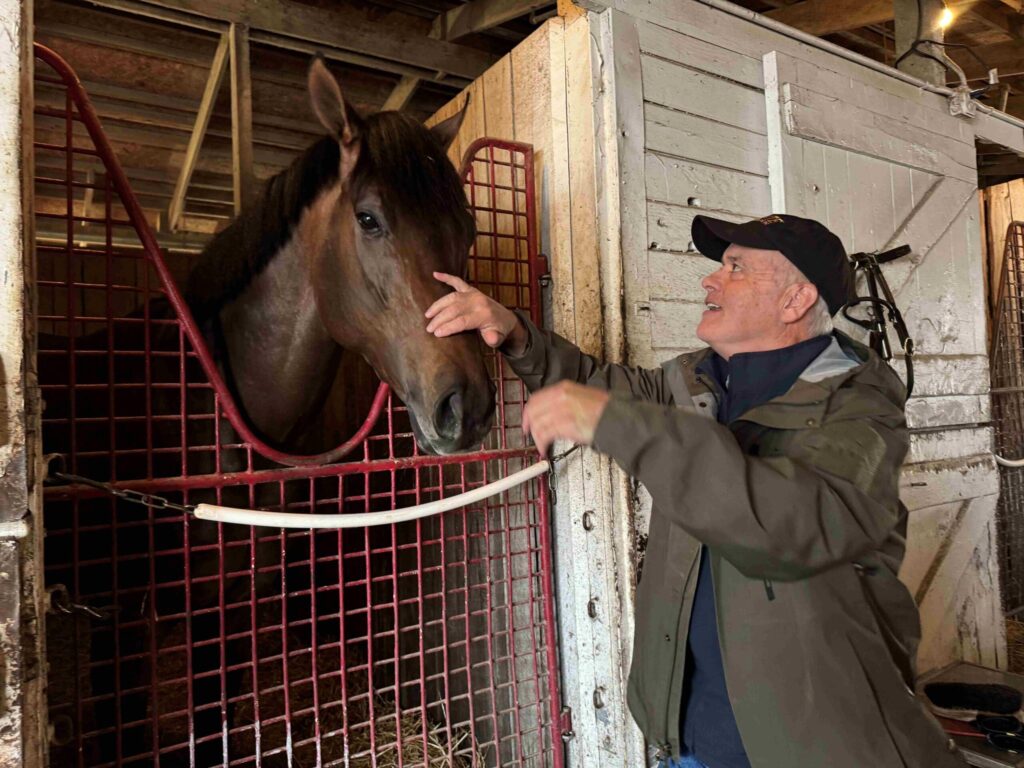
A loss would not automatically make Crupper a failed experiment. That is the wrong way to evaluate a horse stepping into a Grade 1 Classic. The important question would be how he loses.
If he runs well, handles the class jump, and finishes with interest, the Preakness could still confirm that he belongs in better company. That would give his connections options later in the season. A strong second, third, or fourth in this setting can still carry meaning.
If he fades after being pressured early, the lesson may be about race shape more than ability. If he struggles to settle, the lesson may be about seasoning. If he simply cannot match the strongest rivals late, the lesson may be class. Each outcome has a different context.
That is why serious racing analysis should avoid all-or-nothing judgments. The Preakness is a hard assignment. A horse can be overmatched and still useful, exposed and still promising, beaten and still improved. The sport’s best readers understand nuance.
Crupper has already earned the chance to answer bigger questions. That alone reflects growth. The Preakness will decide how far that growth can travel.
What Bettors Should Watch Before The Race
The first signal is the post-position draw. Crupper needs a draw that gives Alvarado options. Too far inside, and he may risk early pressure or traffic. Too far outside, and he may need to use more horse to secure position. The ideal draw gives him room to establish rhythm without wasting energy.
The second signal is the final field composition. If multiple speed horses enter, Crupper’s path becomes more dangerous. If the pace picture is less crowded, his forward placement becomes more valuable. The field will determine whether his speed is a weapon or a liability.
The third signal is the track profile on race day. Laurel Park’s dirt races before the Preakness should be watched carefully. If forward horses are holding, Crupper becomes more attractive. If closers are dominating, caution is warranted. Track behavior can turn a good opinion into a bad bet quickly.
The fourth signal is price. Crupper should not be judged only by whether he is likely to win. He should be judged by whether the odds match the chance. If he is ignored, he could offer value. If Alvarado’s name and the upset angle make him overbet, the value may disappear.
The best betting view is measured. Crupper is not an automatic winner. He is a credible pace-influencing contender with enough upside to matter and enough unanswered questions to require caution.
The Real Stakes Of The Alvarado-Crupper Clash
The Junior Alvarado Crupper Preakness story matters because it captures the way this year’s race has shifted. Without the Derby winner, Laurel Park becomes a place for a different kind of statement. Crupper has the rider, the qualifying win, and the tactical profile to make that statement possible.
The Preakness is not asking whether Crupper has a nice story. It is asking whether he has enough class, stamina, and composure to carry his form into the most demanding start of his career. That is the real test. Alvarado can help him meet it, but the horse must answer when the pressure arrives.
A victory would reshape the 3-year-old division and turn Crupper into one of the defining names of the post-Derby season. A strong defeat could still prove he belongs at a higher level. A flat performance would show that the leap was too steep, at least for now.
That uncertainty is exactly why the race is worth watching. The Junior Alvarado Crupper Preakness pairing brings focus to a field searching for a new center. Golden Tempo’s absence opened the door, but Crupper still has to walk through it. If he does, the 151st Preakness will not be remembered for who stayed away. It will be remembered for the horse and rider who seized the opening.