
King Charles Eyes Historic Royal Ascot Victory with £400,000 Homebred Star
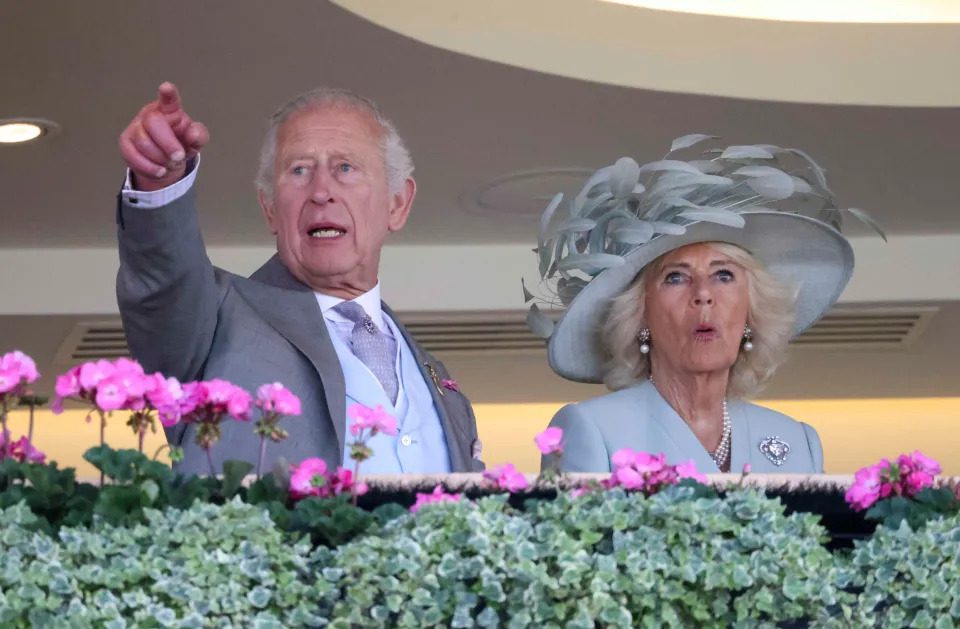
The British monarchy’s deep connection to horse racing may be on the verge of a defining modern chapter. King Charles III has been handed a rare opportunity to secure the most significant Royal racing victory in over a decade, thanks to a highly promising colt he bred himself.
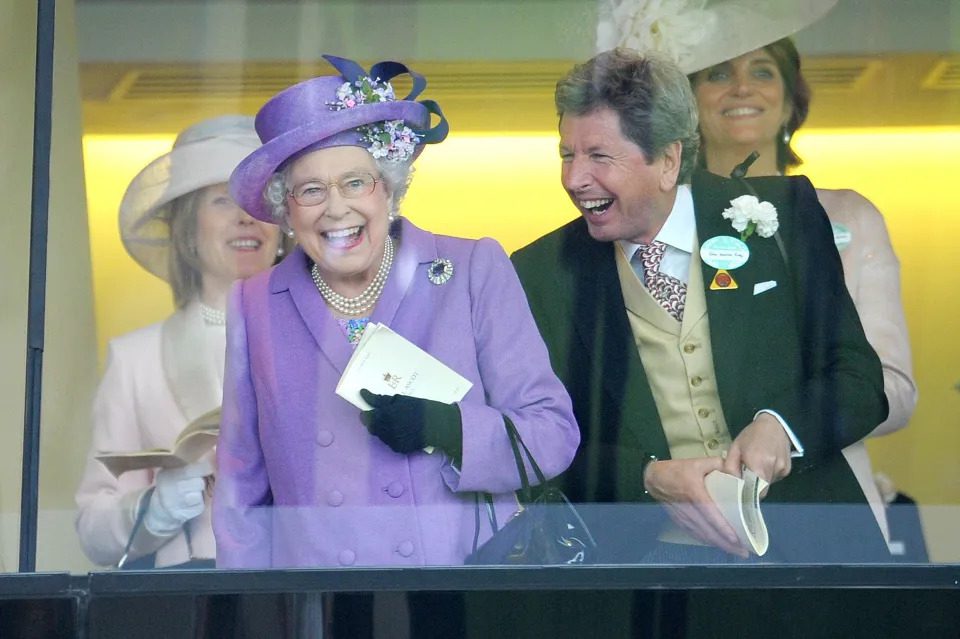
The horse in question, Portcullis, has rapidly emerged as one of the most intriguing prospects heading into Royal Ascot 2026. His rise is not just a sporting development—it represents a continuation of a legacy that stretches back generations, most notably to Queen Elizabeth II’s iconic 2013 Gold Cup triumph with Estimate.
More than a decade later, the Royal colours could once again feature prominently on racing’s biggest stage.
The Horse Behind the Headlines
Portcullis is not merely another Royal runner. He is a homebred colt, sired by the legendary Frankel—one of the most influential stallions in modern racing. His pedigree alone positions him among elite company, but it was his debut performance that elevated expectations dramatically.
Despite a slow start at Newmarket, Portcullis displayed remarkable composure and acceleration, recovering from an early deficit to win by five-and-a-half lengths.
That performance did more than secure a victory—it signaled the presence of a horse capable of competing at the highest level. In elite flat racing, such a debut is often the clearest indicator of latent Group 1 potential.
Key Facts About Portcullis
| Attribute | Details |
|---|---|
| Horse Name | Portcullis |
| Owner/Breeder | King Charles III |
| Trainer | John & Thady Gosden |
| Sire | Frankel |
| Age | 3-year-old colt |
| Debut Result | Won by 5.5 lengths at Newmarket |
| Target Race | St James’s Palace Stakes (Royal Ascot) |
| Potential Prize | ~£400,000 winner’s purse |
This table illustrates the combination of pedigree, performance, and opportunity that defines Portcullis as a serious Royal Ascot contender.
Why This Could Be a Historic Royal Win
The Royal Family’s last major triumph at the highest level came in 2013, when Queen Elizabeth II’s Estimate won the Ascot Gold Cup—making history as the first reigning monarch to achieve that feat.
That victory remains one of the most iconic moments in modern British racing, symbolizing the intersection of heritage and elite sport. Since then, while the Royal silks have remained visible, they have not reached the same pinnacle.
A win for Portcullis would represent more than just prize money—it would mark a return to top-tier dominance, reinforcing the monarchy’s enduring influence within the sport.
The Strategic Placement at Royal Ascot
Portcullis has been entered into the St James’s Palace Stakes, one of the most prestigious races of the Royal Ascot meeting. The decision to target this race reflects confidence from his trainers, John and Thady Gosden, who are among the most respected figures in flat racing.
Entry and confirmation fees alone approach £9,000, underscoring the level of commitment required to compete at this level.
Royal Ascot itself continues to grow in significance, with total prize money for the meeting exceeding £10 million in 2026, highlighting the scale and prestige of the event.
In this context, Portcullis is not just another runner—he is a calculated investment in both performance and legacy.
What Makes Portcullis Different
Several factors distinguish Portcullis from typical contenders:
First, his pedigree. As a son of Frankel, he inherits genetic traits associated with speed, stamina, and mental composure—qualities essential for success at Royal Ascot.
Second, his training environment. Under the guidance of the Gosden stable, he benefits from one of the most structured and data-driven training programs in the sport.
Third, his development curve. Missing earlier racing opportunities due to minor setbacks, Portcullis arrives fresher and potentially less exposed than rivals, offering a significant upside.
Trainer John Gosden has emphasized a measured approach, noting that the focus remains on gradual progression rather than immediate expectations—an approach consistent with producing long-term success at the highest level.
The Royal Racing Operation in Transition
The significance of this moment also reflects a broader narrative. Following the passing of Queen Elizabeth II, there were concerns that the Royal Family might scale back its involvement in racing.
Instead, King Charles and Queen Camilla have maintained a visible and active presence, signaling a commitment to preserving the tradition.
The emergence of Portcullis reinforces that commitment, suggesting that the Royal racing operation is not only continuing—but evolving.
The Stakes Beyond Prize Money
While the St James’s Palace Stakes offers a prize of approximately £400,000, the broader implications extend far beyond financial reward.
Victory would:
- Reestablish the Royal silks at the pinnacle of flat racing
- Validate the breeding program under King Charles
- Strengthen the monarchy’s cultural connection to the sport
In racing terms, such a win would elevate Portcullis into the upper tier of three-year-old colts, potentially opening pathways to even more prestigious international contests.
Final Analysis
The story of Portcullis is not just about a promising horse—it is about timing, legacy, and opportunity converging at a critical moment.
King Charles stands on the verge of achieving something that has eluded the Royal Family for over a decade: a defining victory on racing’s biggest stage. With a horse bred in his own program, trained by elite professionals, and already demonstrating exceptional ability, the foundation is firmly in place.
For historical context on Royal success at Ascot, the Royal Ascot winners archive provides insight into how rare and significant such victories truly are.
Whether Portcullis delivers remains uncertain—because in racing, nothing is guaranteed. But the conditions are aligned for a moment that could redefine Royal racing in the modern era.