
The Gold Cup Question That Could Push Aidan O’Brien Into Untouchable Territory
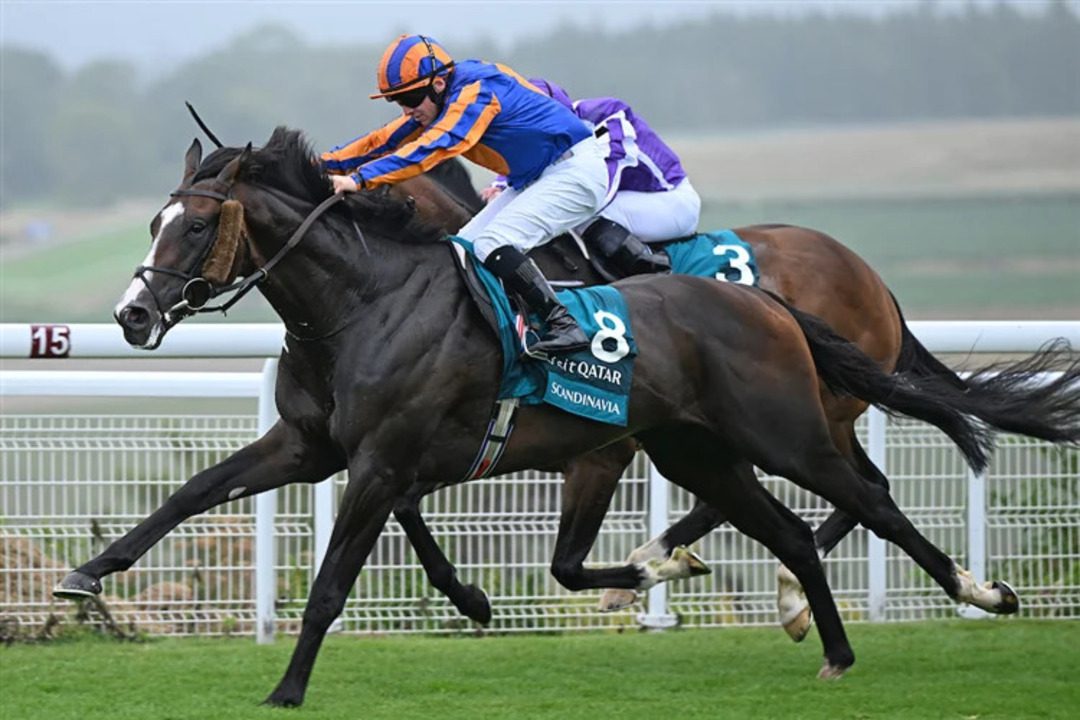
The Royal Ascot Gold Cup has become more than the deepest stamina test of the week. It now carries the weight of Aidan O’Brien’s pursuit of 100 Royal Ascot winners, with Scandinavia asked to turn promise, market confidence, and Ballydoyle expectation into something harder to dispute.
That is why this race feels larger than one Thursday afternoon. O’Brien’s modern dominance already framed the season after Aidan O’Brien’s Derby dominance, but Royal Ascot asks a different question: can a rising stayer deliver when the race is built to expose every weak point?
Royal Ascot Gold Cup Pressure Is Bigger Than One Favorite
The Gold Cup has never been a race that rewards shallow class. Ascot’s own Gold Cup profile defines it as a Group 1 race over two miles and four furlongs for older horses, which is why the event carries a different kind of prestige from speedier Royal Ascot targets.
It is not merely about acceleration. It is about rhythm, balance, temperament, and whether a horse can keep finding under pressure after others have already used their best move.The result gained wider significance because the Reuters race report confirmed Scandinavia’s Gold Cup victory also delivered Aidan O’Brien his 100th Royal Ascot winner.
That is the pressure around Scandinavia. He enters as the headline Ballydoyle name in a race that can elevate him from exciting stayer to staying-division reference point. The market can admire him before the stalls open. The Gold Cup will decide whether that admiration is justified.
Scandinavia Must Turn Promise Into Staying Authority
Scandinavia’s appeal is easy to understand. He arrives with the profile of a horse still moving forward, not one living off a single past performance. That matters in staying races, where maturity often decides whether a promising horse becomes a proper force.
But the Gold Cup is where promise gets interrogated. The distance leaves no hiding place, and good-to-firm ground can make efficiency just as important as stamina. A horse cannot simply stay; he must stay while traveling, settling, responding, and preserving enough for the final climb.
For Scandinavia, the central question is conversion. Can he convert reputation into authority? Can he make the step from high-class candidate to controlling presence? Can he win a race that demands more than looking like the right horse on paper?
Those are not small questions. They are the difference between a horse with a bright profile and a horse that reshapes a division.
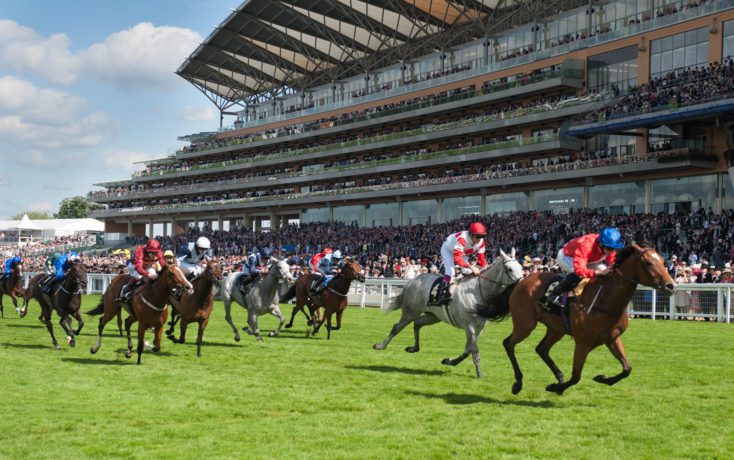
Trawlerman Gives The Race Its Hardest Benchmark
Trawlerman changes the race because he gives Scandinavia a proven standard to beat. A defending Gold Cup winner does not need to sell a theory. He has already shown the race can be won on his terms.
That is why Trawlerman’s presence is so important. He gives the preview its edge and the market its caution. A younger or more progressive rival may look more fashionable, but the defending winner brings something less glamorous and more dangerous: evidence.
The Gold Cup often punishes overconfidence because the race is not run on reputation. A horse must handle the tempo, the distance, the track, and the mental grind of a long contest. Trawlerman has already answered many of those questions once.
Scandinavia may represent the future. Trawlerman represents the test that future must pass.
| Gold Cup Factor | Why It Matters | Pressure Created |
|---|---|---|
| O’Brien on 99 Royal Ascot winners | One more win would create a historic training milestone | Every Ballydoyle runner carries wider meaning |
| Scandinavia’s profile | He is viewed as a rising staying force | Promise must become proof over the full trip |
| Trawlerman’s defense | He brings established Gold Cup credibility | The favorite must beat a horse with race evidence |
| Good-to-firm ground | Efficiency and rhythm become more important | Stamina alone may not be enough |
| The 2m4f test | The race exposes pace, balance, and reserves | Weak finishing effort will be punished |
The O’Brien Milestone Can Change The Market Story
O’Brien starting the day on 99 Royal Ascot winners gives the Gold Cup an unavoidable historical frame. The latest Gold Cup day coverage has placed that pursuit at the center of the meeting’s third day, and it is easy to see why.
Royal Ascot milestones matter because they are not built in ordinary races. They are accumulated through pressure, scrutiny, and repeated success against deep international fields. Reaching 100 would not simply add another number to O’Brien’s record. It would strengthen the sense that Ballydoyle’s influence at the meeting belongs in a separate historical category.
That also affects interpretation. If Scandinavia wins, the result will not be read only as a staying performance. It will become part of the O’Brien archive, another example of Ballydoyle identifying the right horse for the right Royal Ascot assignment.
If Scandinavia loses, the story becomes more complicated. The milestone waits, and the staying division gains a sharper uncertainty.
Ground, Pace And Patience Could Decide The Gold Cup
Good-to-firm conditions make this more than a pure endurance race. They can sharpen the tempo, reward clean movers, and punish horses that waste energy early. In a race this long, small inefficiencies become large consequences.
The jockey decisions may matter as much as the raw form. Go too soon, and the final furlong can feel endless. Wait too long, and a proven stayer can already have the race stretched beyond reach.
That is where Scandinavia’s task becomes delicate. A horse with his profile must avoid being ridden like the race is already won. The Gold Cup is not a coronation route; it is a pressure chamber.
Trawlerman, meanwhile, has the advantage of known durability. Other stayers in the field may also make this uncomfortable if they force the favorite to work earlier than ideal. The race can change before the serious move begins if the pace is stronger, slower, or more tactical than expected.
The Next Clues Sit Beyond The Winning Post
The result will tell the staying division what kind of season it is entering. A commanding Scandinavia victory would suggest a new leader has arrived, with O’Brien potentially adding historic context to a performance that already mattered on racing terms.
A Trawlerman repeat would carry a different message. It would remind the market that proven stamina at Ascot remains one of the hardest assets to replace. It would also slow the rush to crown the next staying star before he has survived the race that defines the category.
There is also the possibility of a messier outcome. A tactical race, traffic, or a narrow finish could leave the form open rather than settled. In that case, the Gold Cup would raise as many questions as it answers.
That is what makes the Royal Ascot Gold Cup so compelling this year. Scandinavia is not just running for a major prize. He is running into a historic O’Brien storyline, a defending champion’s shadow, and the one race most likely to reveal whether the staying division is truly changing hands.
FAQ’s
Why is the Royal Ascot Gold Cup so important?
The Royal Ascot Gold Cup is one of the meeting’s defining races because it tests elite stayers over two miles and four furlongs. It rewards stamina, rhythm, patience, and racecraft more than simple finishing speed.
Why does Aidan O’Brien’s 100-winner chase matter?
Reaching 100 Royal Ascot winners would underline O’Brien’s historic dominance at one of racing’s most prestigious meetings. It would also add wider legacy value to any Ballydoyle win on Gold Cup day.
What does Scandinavia need to prove?
Scandinavia must prove that his promise and market position can hold up over the full Gold Cup distance. The race will test whether he is merely progressive or ready to lead the staying division.