
Horse Racing Schedule Turns The Midweek Card Into A Bettor’s Discipline Test
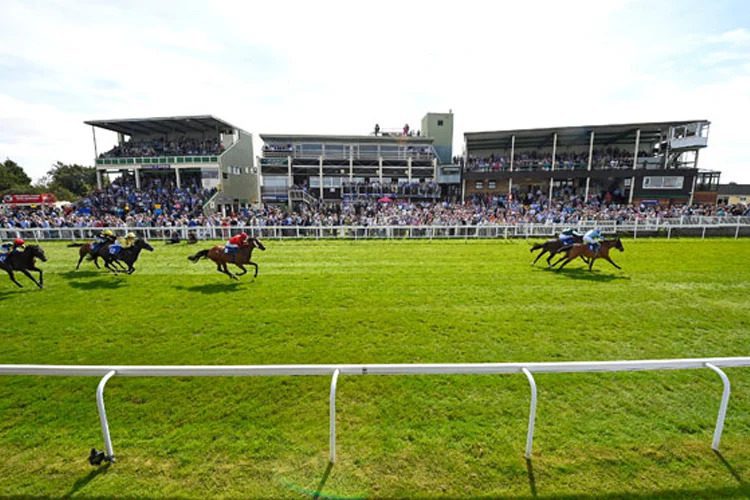
The Tuesday horse racing schedule gives bettors and racing fans a different kind of test from the weekend feature-race rhythm. Instead of one obvious headline contest dominating the day, the value is spread across flat cards, jumps action, evening racing and quieter midweek markets that demand sharper judgment.
That makes Tuesday, June 30, more useful than it first looks. The day’s UK and Ireland racecards create a practical reset after a busy weekend, and the same pressure-based approach used in serious horse racing analysis applies here: weekday racing rewards readers who study race conditions, field depth and timing rather than chasing the most visible name on the card.
Tuesday Horse Racing Schedule Creates A Different Kind Of Pressure
The midweek racing schedule asks a different question from a Saturday feature card. The biggest weekend races often come with strong narratives, heavy previews and obvious market focus. Tuesday’s cards usually require more work.
The latest Tuesday race cards list meetings at Salisbury, Wexford, Musselburgh, Brighton, Roscommon, Stratford and Ffos Las. That spread matters because the day is not built around one track, one code or one obvious race type.
Flat racing leads much of the afternoon. Jumps racing appears at Wexford and Stratford. Evening cards extend the day into Ffos Las and Roscommon. The result is a schedule that can reward patience, but punish anyone treating every race as the same kind of puzzle.
Midweek racing is not lighter racing. It is simply less packaged.
Salisbury Sets The Tone With Good-To-Firm Questions
Salisbury’s afternoon flat card is one of the more interesting starting points because good-to-firm ground can sharpen the race-reading process. Horses who travel smoothly, handle quick conditions and hold their action under pressure may have an edge, while others can be exposed if their form relies on easier ground or a softer tempo.
That is where weekday racing becomes more technical. A horse’s finishing position last time is not enough. Bettors and fans need to ask whether the ground, pace, class level and trip align again.
Salisbury also gives the day an early interpretive role. If front-runners are holding up, if closers are struggling, or if certain draws appear more comfortable, those clues can shape how the rest of the card is read.
The danger is overreacting too quickly. One race is not a trend. Two or three races may begin to suggest something more useful.
Musselburgh And Brighton Reward Track-Specific Thinking
Musselburgh and Brighton both remind bettors that course identity matters. Midweek flat racing is often treated as routine, but these tracks can ask very different questions.
Musselburgh’s layout can reward tactical speed and good positioning. Brighton’s undulations and idiosyncratic nature can make course experience more relevant than a basic form line suggests. A horse that looks ordinary on paper may improve sharply when returning to a track it handles. A better-rated horse may struggle if the course asks an uncomfortable question.
That is why track suitability matters on Tuesday. Not every flat card should be judged through the same lens.
The smarter approach is to compare each horse’s form with the track’s demands. Has the horse handled similar ground? Has it run well around turning or unusual tracks? Does the jockey need to be positive early? Is the race likely to become tactical?
Those questions separate form reading from number reading.
Ireland Adds Depth Without Simplifying The Card
Wexford and Roscommon make the schedule broader and more layered. Wexford brings jumps racing into the afternoon, while Roscommon adds an evening flat card in Ireland.
That mixed-code setup matters because jumps and flat races do not reward the same assumptions. Over jumps, rhythm, jumping fluency, stamina and confidence can decide the outcome long before the final furlong. On the flat, pace, draw, trip and ground can be more immediate pressure points.
The latest going and non-runners updates also underline why Tuesday cards should be checked close to post time. Ground descriptions, withdrawals and weather-related changes can alter the race shape, especially across a multi-track schedule.
A horse can become more interesting after a non-runner changes pace pressure. Another can lose appeal if the ground shifts away from its ideal setup.
Tuesday is not a day for static opinions.
Stratford And Ffos Las Stretch The Day Into The Evening
The evening portion gives the schedule another layer. Stratford’s jumps card and Ffos Las’s flat racing mean the day does not end when the afternoon form has been read.
That is valuable for bettors, but it can also create fatigue. The longer a racing day runs, the easier it becomes to force opinions. A bettor may feel behind after early losses, overconfident after early wins or simply too eager to keep playing because more races remain.
That is where discipline becomes as important as analysis. The evening cards should not be treated as recovery vehicles. They are separate betting environments with their own pace, ground, class and field questions.
| Meeting | Code | Timing Profile | Main Reader Question |
|---|---|---|---|
| Salisbury | Flat | Afternoon | Does good-to-firm ground sharpen or expose form? |
| Musselburgh | Flat | Afternoon | Which horses fit the track’s tactical rhythm? |
| Brighton | Flat | Afternoon | Does course experience matter more than ratings? |
| Wexford | Jumps | Afternoon | Which runners jump and travel most reliably? |
| Roscommon | Flat | Evening | Does the later card create fresh market movement? |
| Stratford | Jumps | Evening | Can stamina and jumping hold under pressure? |
| Ffos Las | Flat | Evening | Which horses handle the evening race conditions best? |
The table shows why a single betting approach is too blunt. Tuesday is a schedule of separate tests, not one long continuation of the same race.
The Smartest Signal May Be Market Restraint
The main pressure point before Tuesday’s racing is not finding a bet in every race. It is knowing which races deserve attention and which ones should be left alone.
Smaller weekday fields can sometimes make races look easier, but that can be misleading. A short field may still contain unclear pace, lightly raced horses, unstable form or runners changing conditions. A larger race can look messier but offer more honest prices if the market has overlooked one strong angle.
Restraint is a strategy when the schedule is this broad.
Fans can still enjoy the whole day, but bettors should build a hierarchy. Which races have enough information? Which races are too dependent on guesswork? Where has the market overreacted to a recent run? Where does the track or ground create a clearer edge?
Tuesday’s value may come from passing more races than expected.
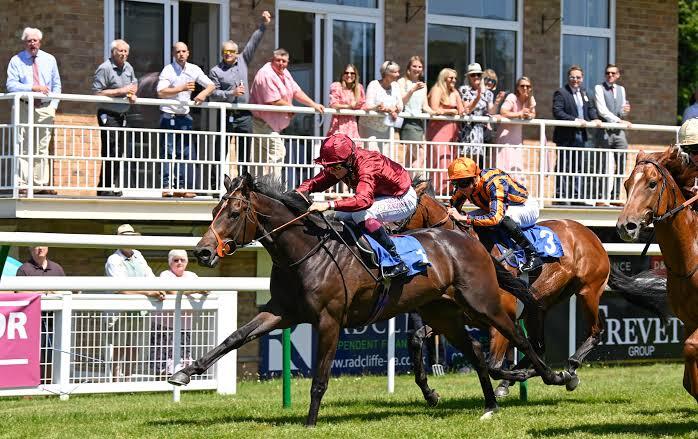
Midweek Form Should Be Read For What Comes Next
The Tuesday horse racing schedule is also useful beyond immediate betting. Midweek races can produce future clues: horses returning to form, runners unsuited by conditions, trainers placing horses more carefully, or lightly raced types learning in public.
That is why the day should not be dismissed because it lacks a major weekend centerpiece. Racing’s bigger stories often develop quietly before they become obvious.
A Salisbury winner on fast ground may be worth following in similar conditions. A Stratford jumper who travels well but makes one costly error may be more interesting next time. A Brighton specialist may remain underestimated because the track itself distorts broader form perception.
The Tuesday horse racing schedule matters because it asks for selective attention. The opportunity is not in treating every race as a major event. It is in understanding which details carry forward, which markets are too thin to trust, and which horses are quietly telling bettors something before the weekend spotlight returns.