
Why The Cherie DeVaux Kentucky Derby Moment Matters
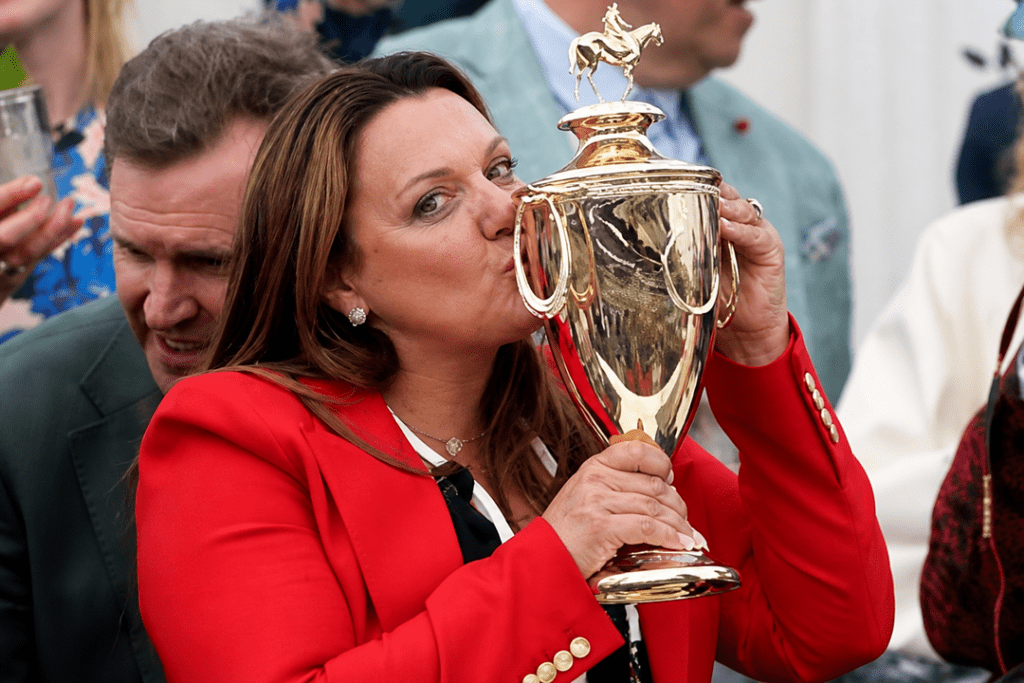
The Kentucky Derby has always sold itself as a stage where tradition and surprise coexist. That is part of its charm, but also part of its tension. The race welcomes longshots, emotional storylines, fierce competition, and dramatic finishes, yet its deepest power structures have often moved slowly, even when evidence argued for change. Cherie DeVaux’s victory with Golden Tempo cut through that contradiction with unusual force.
I view this result as one of those rare racing outcomes that carries meaning beyond the tote board. A trainer does not win the Derby by symbolism. She wins it by conditioning a horse, reading a campaign, managing pressure, trusting a jockey with clarity, and making enough correct decisions before the public ever sees the horse in the gate. That is why DeVaux’s achievement deserves to be treated not as a novelty, but as a professional milestone built on discipline.
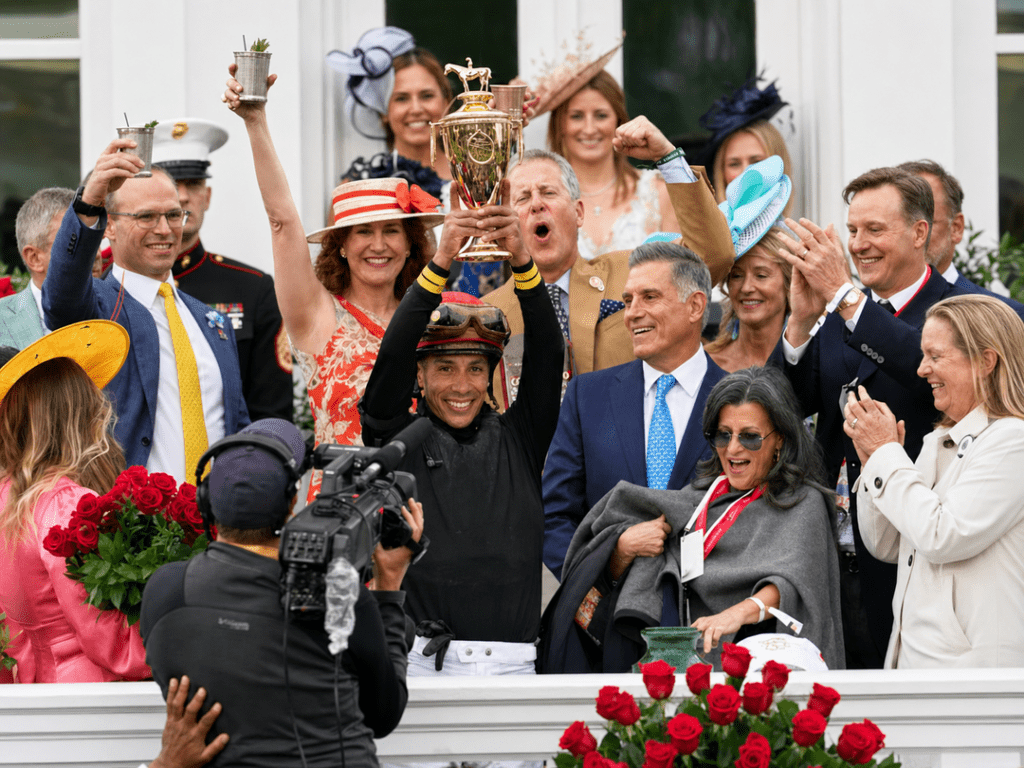
Golden Tempo’s win was dramatic on its own terms. The colt was not framed as an obvious favorite, and the late-running nature of the victory gave the race the electricity Derby audiences crave. Yet the larger story was DeVaux standing where no woman trainer had stood before: at the center of the winner’s circle after America’s most famous race. That image matters because racing has long asked women to prove credibility in spaces where they already had the skill.
The wider race frame around Cherie DeVaux Kentucky Derby makes clear why the finish moved so quickly from sports result to cultural signal. Golden Tempo did not merely win a race. He carried a trainer across a threshold that had remained stubbornly closed through decades of participation, labor, and overlooked authority.
The Barrier Was Never Just The Finish Line
The phrase “first female trainer to win the Kentucky Derby” sounds simple, but the reality behind it is layered. The barrier was not only about one Saturday in Louisville. It was about opportunity, ownership confidence, stable development, elite-horse access, institutional trust, and the long process of being trusted with the kind of Thoroughbred capable of winning the race. That is where the real pressure has always lived.
Women have been present in racing barns, on backsides, in exercise roles, in bloodstock work, in ownership groups, and in training operations for a long time. Their influence has often been visible to insiders and invisible to the broader audience. The Derby’s winner’s circle, however, is different. It is the sport’s most watched platform, and that platform confers recognition in a way few other races can.
DeVaux’s success matters because it challenges the casual assumption that history changes only when someone is allowed into the frame. She was not simply allowed in. She arrived with a horse prepared to win, a race plan capable of surviving chaos, and a professional record that made the moment possible. Inclusion without competitive quality becomes tokenism. Competitive success changes the standard.
Golden Tempo Turned Patience Into Power
Golden Tempo’s victory also deserves technical respect. Derby winners are often remembered through emotion, but the best Derby performances usually reveal a trainer’s long-range strategy. A late-running colt must be fit enough to sustain the final drive, composed enough to avoid panic, and responsive enough to move when the opening appears. That kind of finish does not happen by accident.
A trainer preparing a horse like Golden Tempo has to balance stamina with sharpness. Too much restraint can leave a horse short of competitive fire. Too much aggression can leave him empty before the stretch. The result at Churchill Downs suggested a horse who had been prepared to absorb the early disorder and still produce late momentum.
Jose Ortiz’s ride gave the story another dimension. A jockey can only act on the horse beneath him, but timing matters brutally in the Derby. Move too soon and the final yards become a test of survival. Wait too long and the race disappears. Ortiz’s confidence in Golden Tempo’s late energy reflected trust not only in the colt, but in the preparation behind him. That trust is a form of professional judgment.

What DeVaux’s Path Says About Modern Training
DeVaux’s path through racing gives the achievement additional depth. Before becoming the trainer attached to a history-making Derby winner, she built her career through demanding stable environments, including time connected with the high-performance world around Chad Brown’s operation. That background matters because modern Thoroughbred training is not simply horsemanship in the romantic sense. It is logistics, veterinary awareness, staff management, owner communication, race placement, timing, and constant adaptation.
The public often sees a trainer only on race day, but the job is built in quieter spaces. It happens during morning works, shipping decisions, feed adjustments, soundness checks, and conversations that never appear on television. The trainer is part athlete manager, part risk analyst, part psychologist, and part long-range planner. In that context, DeVaux’s Derby win was not sudden. It was the visible result of accumulated competence.
That is why the story should not be flattened into a gender milestone alone. Gender is central to the historic meaning, but professional capability is central to the sporting result. The win matters precisely because both truths operate together. DeVaux broke a barrier by doing the work at the highest level, not by standing near the work while others carried the burden.
A Historic First That Racing Should Not Treat As A Final Answer
There is always a risk that sports institutions celebrate a first so loudly that they avoid asking what took so long. Racing should resist that temptation. A landmark victory can inspire, but it does not automatically solve access, investment, or representation challenges. The right question is not only why DeVaux won. It is why the sport needed so many years to reach this threshold.
The Kentucky Derby has modernized in countless ways: broadcast production, wagering platforms, veterinary oversight, data analysis, ownership models, and global breeding conversations. Yet the winner’s circle had never before belonged to a woman trainer. That contrast should make racing uncomfortable in a productive way, because discomfort can create growth.
For readers who want broader context on major Derby storylines and how they reshape the sport’s narrative, this piece on deeper Derby history context helps connect Golden Tempo’s victory to the wider meaning of the race. The Derby is never just a two-minute contest. It is a mirror for racing’s values, blind spots, and capacity for progress. It is also a public signal.
A first can become a turning point only if it changes behavior after the applause fades. Owners must continue to trust talented women trainers with elite prospects. Media coverage must evaluate women in racing through their decisions, not only their biography. Young horsewomen must see pathways that feel realistic rather than exceptional. Without that follow-through, the moment becomes a beautiful image rather than lasting reform.
The Derby’s Tradition Now Has A New Standard
The Derby’s relationship with tradition is complicated. Tradition gives the race its atmosphere, its rituals, and its emotional weight. It also creates the illusion that old patterns are natural simply because they have lasted. DeVaux’s win disrupts that illusion. It proves that the absence of women Derby-winning trainers was never proof of a lack of ability. It was evidence of a system slow to expand opportunity.
The official Kentucky Derby history gives the race its institutional frame, but this chapter widens the meaning of that frame. It shows how old rituals can gain fresh relevance when the people shaping them finally reflect more of the talent around the sport.
That does not diminish the Derby’s past. It clarifies it. The race becomes stronger when its biggest achievements are available to more of the people who understand the horse, the barn, and the demands of the sport. Tradition without renewal becomes performance. Tradition with renewal becomes legacy.
DeVaux’s win also gives racing a better story to tell younger audiences. The sport needs more than nostalgia if it wants to remain culturally relevant. It needs narratives that feel alive, competitive, and connected to broader questions about merit and access. A woman trainer winning the Derby with a longshot colt does that without needing exaggeration. The facts already carry impact.
Why The Longshot Element Strengthens The Story
Longshots are central to the Derby’s mythology because they remind the audience that racing is never fully obedient to expectation. Still, not every longshot victory has the same meaning. Golden Tempo’s win feels especially compelling because the upset did not exist separately from the barrier-breaking achievement. The long odds sharpened the sense that this was a victory against multiple forms of doubt.
A heavily favored horse can make a historic win feel orderly, almost inevitable. Golden Tempo did the opposite. His path made the race feel uncertain until the decisive late move. That uncertainty gave the victory a narrative shape that matched DeVaux’s wider journey: not easy, not guaranteed, not granted in advance, but earned under pressure.
Golden Tempo was not a fairy-tale horse floating outside the sport’s machinery. He was a racehorse prepared by professionals within that machinery. The upset matters because it exposed how value can be missed when attention narrows around favorites, fashionable barns, familiar names, and public assumptions.
That lesson applies beyond one race. Racing markets can reward reputation before evidence, and sometimes that reward is deserved. Sometimes it is lazy. Golden Tempo’s Derby win reminds us that assessment should remain open to what the horse shows when the gates open. That is a useful kind of humility.
The Human Weight Of A Professional Breakthrough
What I find most compelling about DeVaux’s achievement is the way it blends emotion with professional seriousness. Historic firsts often invite celebration that can sound soft or ceremonial. This one should not. The emotion is real, but it sits on top of a demanding competitive achievement. A Derby-winning trainer has earned respect through performance.
There is also a human cost to being first. The first person through a barrier often carries more symbolic weight than any one professional should have to carry. Every decision is examined, every mistake can be generalized, and every success is asked to represent more than itself. DeVaux’s victory gives racing a reason to celebrate, but it should also remind the industry how unfair that symbolic load can be.
The better response is not to make one woman carry the future of women in racing. The better response is to make the future less dependent on singular breakthroughs. When more women are given top horses, more women will appear in defining races. When more women win defining races, the category of “first” gives way to sustained presence.
That is the healthiest version of progress. Not a single miracle. Not a one-year headline. Not a ceremonial exception. A deeper normalization of excellence. Racing should want the day when a woman trainer winning the Derby is still admired, but no longer treated as nearly impossible. That would be a stronger measure of confidence than applause alone.
What Owners, Media, And Fans Should Take From It
Owners should take the clearest business lesson from Golden Tempo’s win: elite decisions must be based on capability, not inherited assumptions. The trainer who can read the horse, build the campaign, communicate under stress, and deliver the horse ready for the race is the trainer who deserves the chance. Anything else is inefficient bias dressed up as caution.
Media should take a different lesson. The story deserves its historic framing, but coverage should not stop there. DeVaux’s methods, choices, horse management, and tactical positioning deserve the same serious analysis given to male trainers after major wins. Equality in coverage means telling the human story while still respecting the technical substance of the accomplishment.
The Next Barrier Is Sustained Access
The most useful way to honor the achievement is to look beyond the single result. DeVaux has already changed the record. The sport now has to decide whether it will change the conditions that made the record so difficult to break. That means sustained access to good horses, fair evaluation, investor trust, serious coverage, and investment. It means turning inspiration into accountability.
One Derby victory cannot fix every structural issue in racing, and it should not be asked to. But it can create a new reference point. When an owner wonders whether a woman trainer can handle the biggest stage, the answer now has a name, a horse, and a rose garland attached to it. That kind of evidence changes conversations. It creates leverage.
The opportunity is not only for women trainers. It is for racing itself. A sport that expands the range of people who can shape its biggest moments becomes more interesting, more competitive, and more credible. That is renewal. The old model did not fail because tradition existed. It failed where tradition became an excuse for narrow thinking. DeVaux’s win challenges that comfort.
What happens next will reveal whether the industry understands the moment. If Golden Tempo’s Derby is treated as a finished story, racing will have missed its own signal. If it becomes part of a broader shift in opportunity and recognition, the sport will have gained something far more durable than one unforgettable finish. That is the real test.
A Victory That Changed The Shape Of Possibility
Cherie DeVaux did not win the Kentucky Derby as an abstract symbol. She won it as a trainer who prepared Golden Tempo to deliver on the sport’s most demanding public stage. That is why the achievement lands with such force. It is history, but it is also craft. It is inspiration, but it is also evidence.
The woman who defied the Derby’s biggest barrier did not make the race smaller by changing its tradition. She made the tradition larger. She expanded the meaning of the winner’s circle without diminishing the difficulty of reaching it. In a sport built on bloodlines, patience, and risk, that kind of expansion is rare power.
The Cherie DeVaux Kentucky Derby story matters now because it gives racing a chance to move from admiration to action. The next chapter should not ask whether women belong at the highest level of the sport. Golden Tempo has already answered that. The question is whether racing has the will to make this breakthrough less exceptional, more repeatable, and more honest about the talent that has been there all along.